


Your Professional Alkali Manufacturer!
Located in Xiasha Economic Development Park of Hangzhou city (capital of Zhejiang province in the southeast coastal region of China), Hangzhou Dingyan Chem Co.,Ltd is a modern private enterprise; The company was founded in 2013 and has more than ten years of experience in this industry. we are mainly engaged in the development, trade and independent import and export business of hi-tech products such as pharmaceutical materials (APIs), pharmaceutical intermediates, fine chemicals and biochemical reagents, etc.
-
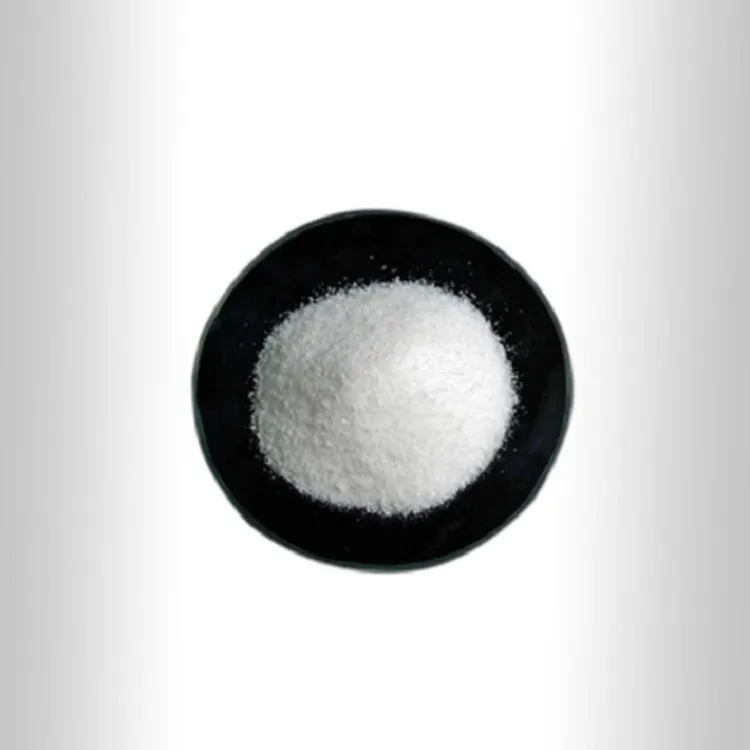
![Sodium Hydroxide 1310-73-2]() Sodium Hydroxide 1310-73-2Assay (NaOH) ≥98.5. Sodium Carbonate(Na2Co3)≤0.5. Sodium Chloride(NaCL) ≤0.03. Iron Sesquioxide (Fe2O3) ≤0.005read more
Sodium Hydroxide 1310-73-2Assay (NaOH) ≥98.5. Sodium Carbonate(Na2Co3)≤0.5. Sodium Chloride(NaCL) ≤0.03. Iron Sesquioxide (Fe2O3) ≤0.005read more -
![Sodium Ethoxide 141-52-6]() Sodium Ethoxide 141-52-6Appearance White to yellowish powder. Alkaline sodium ≤0.5%. Dissociate alkali ≤1.5%. Assay ≥98.5%read more
Sodium Ethoxide 141-52-6Appearance White to yellowish powder. Alkaline sodium ≤0.5%. Dissociate alkali ≤1.5%. Assay ≥98.5%read more


Why Choose Us
Rich Experience
The company was founded in 2013 and has more than ten years of experience in this industry.
High Quality
Our products are manufactured or executed to very high standards, using the finest materials and manufacturing processes.
Research And Development
Insisting on the development path of "scientific and technological innovation" since our foundation, dingyan-chemical has laid great stresses on the research and development of scientific and technological innovation.
Production Market
Dingyan's products are well sold in more than 60 countries and regions in North America, Western Europe, Southeast Asia, Central and South America, and then established long-term and steady relations of cooperation with many pharmaceutical enterprises in Europe, USA, Greece, Germany, South Korea and India, etc.
Types of Alkali
The alkali produced by our company mainly include the following types:
Sodium Hydroxide 1310-73-2
Sodium hydroxide is a white powder with the CAS No. 1310-73-2. Its molecular formula is NaOH, and its molecular weight is 39.99711. The melting point is 681°C (lit.). It is hygroscopic and air-sensitive. Sodium hydroxide is a highly corrosive strong alkali. This alkaline substance is deliquescent, meaning it will absorb water vapor from the air, as well as acidic gases such as carbon dioxide.
|
Items |
Standard |
|
Assay (NaOH) |
≥98.5 |
|
Sodium Carbonate(Na2Co3) |
≤0.5 |
|
Sodium Chloride(NaCL) |
≤0.03 |
|
Iron Sesquioxide (Fe2O3) |
≤0.005 |
|
Color |
White color |
Sodium Ethoxide 141-52-6
Sodium ethoxide is a typical alcohol salt, non-toxic, and strongly alkaline. CAS No.: 141-52-6. Chemical formula: CH₃CH₂ONa. Molecular weight: 68.05. It appears as a white or light-yellow powder and is hygroscopic. It is highly soluble in polar solvents (such as ethanol), and its ethanol solution is stable. However, it decomposes when exposed to air, and its color gradually darkens with long-term storage. When it comes into contact with water, it decomposes into sodium hydroxide and ethanol. It can be prepared by reacting anhydrous ethanol with metallic sodium, followed by evaporating the ethanol.
|
Items |
Standard |
|
Appearance |
White to yellowish powder |
|
Alkaline sodium |
≤0.5% |
|
Dissociate alkali |
≤1.5% |
|
Assay |
≥98.5% |
Advantages of Alkali
High Alkalinity
Sodium hydroxide is highly effective at dissolving grease, fats, and protein-based deposits, making it a common ingredient in cleaning products like drain cleaners and oven cleaners.
Versatile in Chemical Manufacturing
Sodium hydroxide is a key component in the production of various chemicals, including plastics, dyes, and detergents.
Easy to Transport and Store
Sodium hydroxide is highly soluble in water and can be easily transported and stored, making it practical for industrial and household use.
Low Cost and Widely Available
Being a co-product of chlorine manufacturing and produced from readily available raw materials like rock salt, sodium hydroxide is relatively inexpensive and widely available.
Hygroscopicity
Sodium hydroxide actively absorbs moisture from the air, which makes it ideal for use in drying processes.
Versatile Reagent: Sodium ethoxide is commonly used as a strong base in organic synthesis. It plays a crucial role in reactions such as saponification, deprotonation, and in the formation of enolates, which are key intermediates in the synthesis of various organic compounds.
Application in Ethanol Production: As an ethoxide, it serves as a significant catalyst in the dehydrogenation of ethanol to produce acetaldehyde, demonstrating its importance in the biochemical pathways and industrial processes that deal with alcohol.
Important in Green Chemistry: Sodium ethoxide is also valued for its environmental benefits, serving as a non-toxic alternative to many hazardous bases traditionally used in organic reactions, thus contributing to the principles of green chemistry.
Formation of Anionic Species: When sodium ethoxide acts as a base, it readily deprotonates weak acids to form anions. The production of these reactive anionic species is crucial in various chemical transformations.
Strong Base: Sodium ethoxide is a powerful base, more potent than sodium hydroxide, making it useful in reactions requiring strong basic conditions.

Application of Alkali
Application of Sodium Hydroxide 1310-73-2
Detergent production
Sodium hydroxide is commonly used in the production of detergents. It plays a key role in the saponification process, which is essential for the creation of both soap and various liquid detergents, including dishwashing liquids and surface cleaners.Sodium hydroxide assists in breaking down organic contaminants and fatty acids, transforming them into soap solutions that efficiently eliminate dirt and grease from surfaces.
Oil refining
Sodium hydroxide is extensively utilized in the oil refining industry for the purification and processing of oil. During the oil refining process, caustic soda assists in the removal of sulfur compounds and organic acids, thereby enhancing the quality of the end product. This is particularly crucial for the production of fuels and lubricants, which are required to meet rigorous quality standards.
Metallurgy
In the metallurgy industry, sodium hydroxide is utilized to clean metals and process ores. In the aluminum processing process, caustic soda is employed to eliminate oxides and impurities from the metal surface. It is also used in the zinc and copper production processes, where it aids in separating metals from ores.
Industrial water treatment
In the industrial water treatment process, sodium hydroxide is utilized to neutralize acids and regulate the pH level of water. This is crucial for safeguarding equipment from corrosion and ensuring the high-quality operation of cooling and heating systems. When combined with sulfuric acid, sodium hydroxide helps establish a balanced environment necessary for the efficient operation of industrial installations.
The pulp and paper industry
In the pulp and paper industry, sodium hydroxide is utilized to break down wood and create cellulose, which is the primary ingredient in paper. This method is referred to as the kraft process and entails the use of a solution containing NaOH and sodium sulfide to separate the lignin that binds the cellulose fibers in wood.
Cosmetics and pharmaceuticals
Sodium hydroxide is extensively utilized in the cosmetics and pharmaceutical industries. It is employed to adjust the pH levels in skin and hair care products, as well as in the saponification processes required for soap production in the cosmetics industry.
In pharmaceuticals, caustic soda finds applications in the synthesis of active substances, as well as in the creation of buffer solutions employed during drug production processes.
Food industry
In the food industry, sodium hydroxide has diverse applications. It is used to process food products ranging from olives to chocolate and confectionery. In meat processing plants, NaOH plays a crucial role in sanitizing equipment and surfaces, ensuring both sanitary standards and product safety.
Application of Sodium Ethoxide 141-52-6
Pharmaceutical Industry
Sodium ethoxide is utilized in pharmaceutical synthesis for the production of drugs and pharmaceutical intermediates. It plays a crucial role in the creation of complex organic molecules required for medications.
Chemical Synthesis
In chemical industries, sodium ethoxide is a valuable reagent for organic synthesis processes. It facilitates the synthesis of a wide range of organic compounds, including fragrances, dyes, and fine chemicals.
Polymer Chemistry
In polymerization reactions, sodium ethoxide can act as an initiator or catalyst for the formation of polymers, contributing to the production of plastics, resins, and other polymer-based materials.
Laboratory Research
Sodium ethoxide is commonly used in organic chemistry laboratories for experimental purposes, where precise control over reactions and the synthesis of specific organic compounds is essential.
Storage and transportation


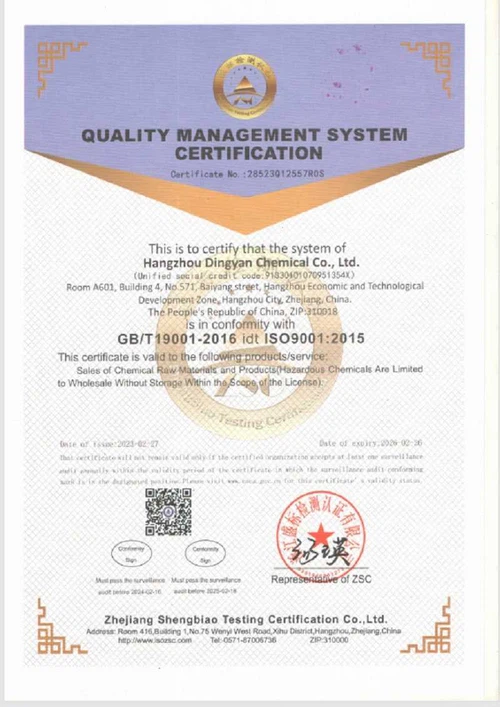
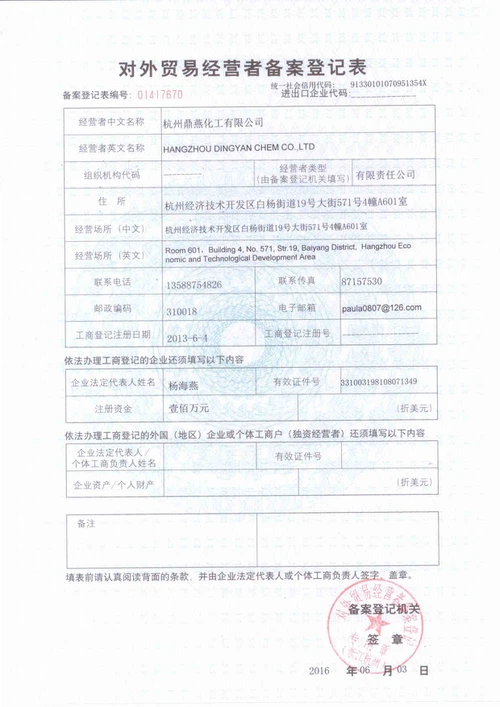
Our Certificates
FAQ
We're professional alkali manufacturers and suppliers in China, specialized in providing high quality customized service. If you're going to wholesale discount pharmaceutical and chemical raw materials, welcome to get free sample from our factory.
Inorganic base Sodium hydroxide, , 102-54-5