


Your Professional Plant Growth Regulators Manufacturer!
Located in Xiasha Economic Development Park of Hangzhou city (capital of Zhejiang province in the southeast coastal region of China), Hangzhou Dingyan Chem Co.,Ltd is a modern private enterprise; The company was founded in 2013 and has more than ten years of experience in this industry. we are mainly engaged in the development, trade and independent import and export business of hi-tech products such as pharmaceutical materials (APIs), pharmaceutical intermediates, fine chemicals and biochemical reagents, etc.
-
![Gibberellic Acid CAS 77-06-5]() Gibberellic Acid CAS 77-06-5Product Name: Gibberellic acidCAS No.: 77-06-5Molecular Formula: C19H22O6Molecular Weight: 346.38Melting Point: 227 °CSpecific Rotation: 82.5 º (c=10, ethanol)Boiling Point: 401.12°C (roughread more
Gibberellic Acid CAS 77-06-5Product Name: Gibberellic acidCAS No.: 77-06-5Molecular Formula: C19H22O6Molecular Weight: 346.38Melting Point: 227 °CSpecific Rotation: 82.5 º (c=10, ethanol)Boiling Point: 401.12°C (roughread more -
![6-Benzylaminopurine CAS 1214-39-7]() 6-Benzylaminopurine CAS 1214-39-7Product Name: 6-BenzylaminopurineCAS No.: 1214-39-7Molecular Formula: C12H11N5Molecular Weight: 225.25Melting Point: 230-233 °CBoiling Point: 145 °C (lit.)Density: 0.899 g/mL at 20 °CVapor Density:read more
6-Benzylaminopurine CAS 1214-39-7Product Name: 6-BenzylaminopurineCAS No.: 1214-39-7Molecular Formula: C12H11N5Molecular Weight: 225.25Melting Point: 230-233 °CBoiling Point: 145 °C (lit.)Density: 0.899 g/mL at 20 °CVapor Density:read more -
![Kinetin CAS 525-79-1]() Kinetin CAS 525-79-1Product Name: KinetinCAS No.: 525-79-1Molecular Formula: C10H9N5OMolecular Weight: 215.21Melting Point: 269-271 °C (dec.)(lit.)Boiling Point: 355.49 °C (rough estimate)Bulk Density: 360 kg/m³Density:read more
Kinetin CAS 525-79-1Product Name: KinetinCAS No.: 525-79-1Molecular Formula: C10H9N5OMolecular Weight: 215.21Melting Point: 269-271 °C (dec.)(lit.)Boiling Point: 355.49 °C (rough estimate)Bulk Density: 360 kg/m³Density:read more -
![Indole-3-butyric Acid CAS 133-32-4]() Indole-3-butyric Acid CAS 133-32-4Product Name: Indole-3-butyric acidCAS No.: 133-32-4Molecular Formula: C12H13NO2Molecular Weight: 203.24Melting Point: 124-125.5 °C (lit.)Boiling Point: 341.55 °C (rough estimate)Bulk Density: 360read more
Indole-3-butyric Acid CAS 133-32-4Product Name: Indole-3-butyric acidCAS No.: 133-32-4Molecular Formula: C12H13NO2Molecular Weight: 203.24Melting Point: 124-125.5 °C (lit.)Boiling Point: 341.55 °C (rough estimate)Bulk Density: 360read more -
![Abscisic Acid CAS 14375-45-2]() Abscisic Acid CAS 14375-45-2Product Name: Abscisic acidCAS No.: 14375-45-2Molecular Formula: C15H20O4Molecular Weight: 264.32Melting Point: 186-188 °C (lit.)Boiling Point: 458.7±45.0 °C (Predicted)Density: 1.193±0.06 g/cm3read more
Abscisic Acid CAS 14375-45-2Product Name: Abscisic acidCAS No.: 14375-45-2Molecular Formula: C15H20O4Molecular Weight: 264.32Melting Point: 186-188 °C (lit.)Boiling Point: 458.7±45.0 °C (Predicted)Density: 1.193±0.06 g/cm3read more -
![1-naphthaleneacetic Acid 86-87-3]() 1-naphthaleneacetic Acid 86-87-3Appearance White powder. Assay,HPLC 98%min. Melting point 126-133.5℃. Loss on drying 0.5% max. Residue after Ignition 0.1% maxread more
1-naphthaleneacetic Acid 86-87-3Appearance White powder. Assay,HPLC 98%min. Melting point 126-133.5℃. Loss on drying 0.5% max. Residue after Ignition 0.1% maxread more


Why Choose Us
Rich Experience
The company was founded in 2013 and has more than ten years of experience in this industry.
High Quality
Our products are manufactured or executed to very high standards, using the finest materials and manufacturing processes.
Research And Development
Insisting on the development path of "scientific and technological innovation" since our foundation, dingyan-chemical has laid great stresses on the research and development of scientific and technological innovation.
Production Market
Dingyan's products are well sold in more than 60 countries and regions in North America, Western Europe, Southeast Asia, Central and South America, and then established long-term and steady relations of cooperation with many pharmaceutical enterprises in Europe, USA, Greece, Germany, South Korea and India, etc.
Advantages of Plant Growth Regulators
Promote or inhibit growth and yield: Plant growth regulators (PGRs) can increase or decrease growth rate and fruiting rate by regulating cell division and elongation. Growth regulation can help owners and managers reduce maintenance or speed up plant growth.
Uniformity: Using PGRs can help achieve uniform plant growth. This is especially useful for thickening shrubs used for screens and privacy. Gentle pruning and treating shrubs with PGRs can promote tight growth, which reduces the possibility of excessive new shoot growth.
Reduce lodging: Lodging is when a plant bends or breaks due to weak stems. Plant growth regulators (PGRs) can strengthen plant stems and reduce the risk of lodging, especially for tall, fast-growing shrubs.
Slow down senescence: Senescence is the natural aging and degeneration process of plant tissues. Some PGRs can slow down senescence and extend the productive life of plants.
Promote rooting: PGRs can stimulate root growth and development, which is beneficial for the growth of new plants and the regeneration of damaged roots. Improved root development can increase nutrient absorption and improve the overall health of the plant.
Enhanced stress tolerance: PGRs can help plants tolerate stress conditions such as extreme temperatures, drought, or high salt levels. They can enhance a plant's ability to cope with these stresses by promoting the synthesis of protective compounds and activating stress response pathways.
Improved fruit quality: PGRs can affect the quality of fruits and vegetables by improving characteristics such as fruit size, color, shape, flavor, and shelf life. They can also reduce fruit drop and increase fruit set, producing a more marketable product.
Flowering regulation: Plant growth regulators can control the timing and duration of flowering, which helps commercial growers target specific market windows or control flowering of ornamental plants for landscaping or exhibition purposes.
Product Specifications
|
Items |
Standard |
|
Appearance |
White powder |
|
Assay,HPLC |
98%min |
|
Melting point |
126-133.5℃ |
|
Loss on drying |
0.5% max |
|
Residue after Ignition |
0.1% max |
Application of Plant Growth Regulators

Agriculture:
Crop Improvement: PGRs can be used to enhance plant growth and improve yields in crops like cotton, where they can reduce stem elongation and lodging (falling over).
Fruit Development: PGRs can be applied to promote fruit development, including increasing fruit size, color, and ripening.
Seed Dormancy: Some PGRs, like abscisic acid, can be used to inhibit seed germination, allowing for longer storage of seeds.
Stress Tolerance: PGRs can help plants tolerate environmental stressors like drought, disease, and nutrient deficiencies.
Agriculture:
Crop Improvement: PGRs can be used to enhance plant growth and improve yields in crops like cotton, where they can reduce stem elongation and lodging (falling over).
Fruit Development: PGRs can be applied to promote fruit development, including increasing fruit size, color, and ripening.
Seed Dormancy: Some PGRs, like abscisic acid, can be used to inhibit seed germination, allowing for longer storage of seeds.
Stress Tolerance: PGRs can help plants tolerate environmental stressors like drought, disease, and nutrient deficiencies.

Methods exist for applying PGRs
Foliar Spray Method
Foliar spray application of plant growth regulators (PGRs) is another means of applying them, providing fast absorption into the foliage for quick results. It is typically applied using a backpack sprayer.
To apply a foliar spray, mix PGR at its recommended concentration and use a sprayer to evenly spread it across the plant’s leaves. The amount used will be determined by the type of plant it is and its size. This must be done on a calm day to reduce drift and ensure it reaches the intended target.
Soil Drench
A soil drench is an easy and highly effective way of applying plant growth regulators (PGRs). It involves directly applying PGR solutions into the soil surrounding plants. Then, their root systems absorb these growth regulators and distribute them throughout their system.
Soil Injection
Soil injection is another popular PGR application technique. This process involves injecting PGR solution directly into the soil nearer its root zone for easy absorption by plants. It works particularly well when treating larger, well-established trees or shrubs, allowing deeper root systems to access PGR solutions.
To perform a soil injection, use an injection tool to create holes at the base of trees or shrubs, depending on their size and species. After creating holes around their bases, PGR solution should be directly injected into these holes using an injection gun.
Storage and transportation


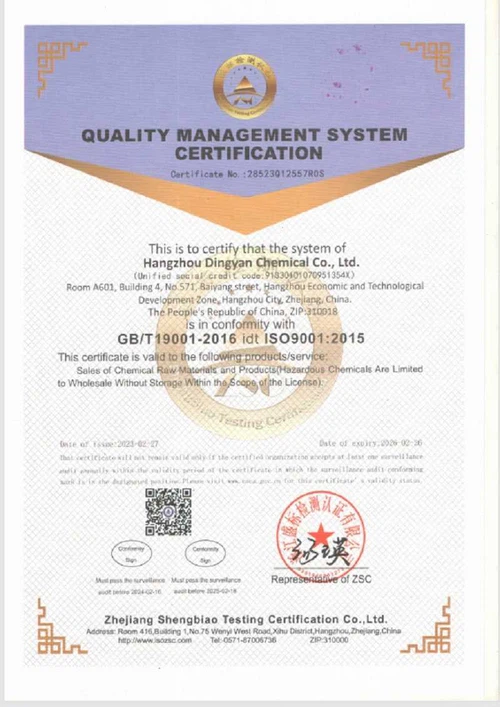
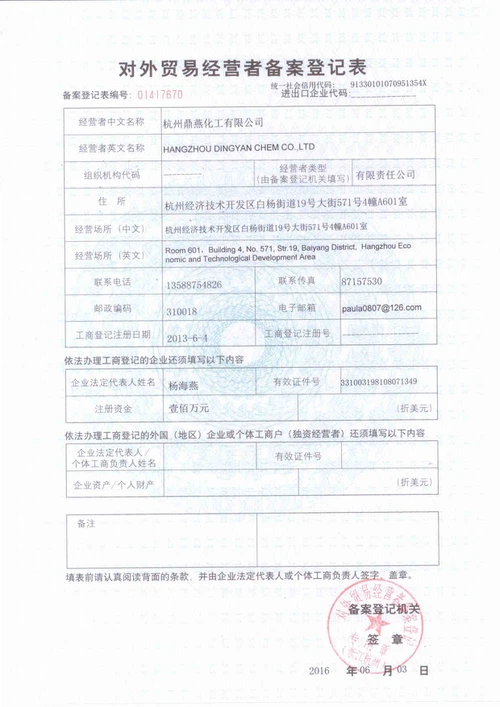
Our Certificates
FAQ
We're professional plant growth regulators manufacturers and suppliers in China, specialized in providing high quality customized service. If you're going to wholesale discount pharmaceutical and chemical raw materials, welcome to get free sample from our factory.
Plant growth regulator 1 Naphthaleneacetic acid, , 86-87-3