

How to treat alkali burns? Well, as an alkali supplier, I've seen firsthand the importance of knowing how to handle these situations properly. Alkali chemicals are widely used in various industries, from manufacturing to cleaning, but they can also pose a significant risk if not managed correctly. In this blog, I'll share some essential tips on treating alkali burns, based on scientific knowledge and practical experience.
First off, let's understand what alkali burns are. Alkalis are substances that have a high pH (above 7), and they can react with the proteins and lipids in our skin and tissues, causing damage. Common alkalis include Sodium Ethoxide 141-52-6 and Sodium Hydroxide 1310-73-2. These chemicals are strong bases and can cause severe burns if they come into contact with the skin or eyes.
So, what should you do if you or someone else gets an alkali burn? The first and most crucial step is to remove the source of the alkali as quickly as possible. This might involve removing contaminated clothing, gloves, or any other items that have come into contact with the chemical. If the burn is on the skin, rinse the area immediately with plenty of cool water. You should keep rinsing for at least 15 - 20 minutes. This helps to dilute the alkali and stop its reaction with the skin.
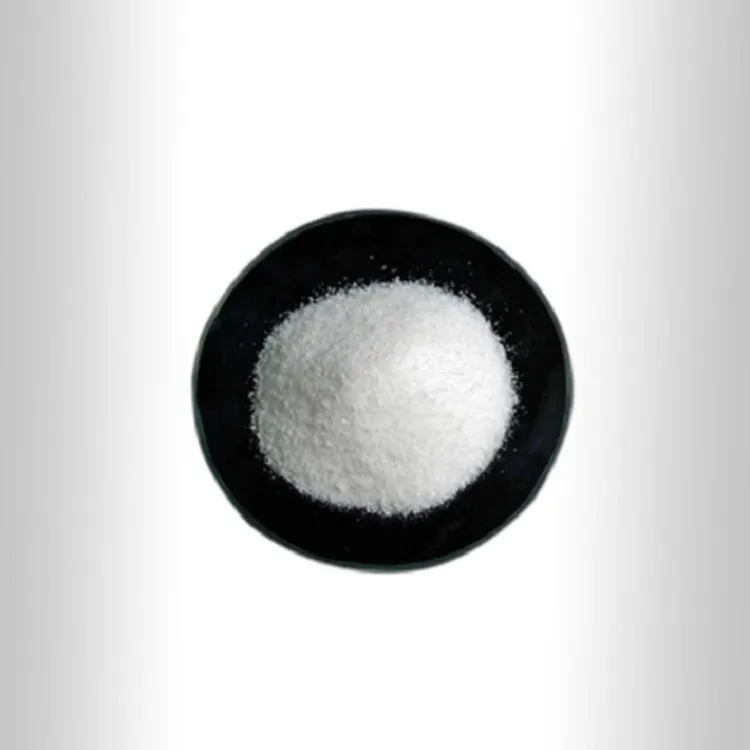

When you're rinsing the burn, make sure the water is flowing gently. You don't want to use high - pressure water, as this can cause more damage to the already injured skin. Use a showerhead if possible, or just a gentle stream from a faucet. If it's an eye burn, hold the eyelid open and rinse the eye continuously with clean, cool water for at least 20 minutes. You can use an eyewash station if you're in a workplace, or just a gentle stream from a cup.
After rinsing, it's important to assess the severity of the burn. Minor burns might just look red and a bit irritated. In these cases, you can apply a mild, soothing cream like aloe vera gel. This can help to relieve pain and start the healing process. But for more severe burns, where the skin is blistered, charred, or there's significant pain, you need to seek medical attention right away.
Once you've taken the initial first - aid steps, it's a good idea to cover the burn. Use a clean, non - sticky dressing. You can find these at any pharmacy. A non - sticky dressing will prevent the dressing from sticking to the burn and causing more pain when you need to change it. Just make sure the dressing is clean and doesn't introduce any new bacteria to the wound.
Another thing to keep in mind is that alkali burns can sometimes continue to damage tissues even after the initial contact. This is because alkalis can penetrate deep into the skin and keep reacting. So, it's essential to monitor the burn closely in the days following the injury. If you notice any signs of infection, like increased redness, swelling, pus, or a fever, get medical help immediately.
Now, let's talk about prevention. As an alkali supplier, I always emphasize the importance of safety when working with these chemicals. Make sure you wear appropriate personal protective equipment (PPE), such as gloves, goggles, and protective clothing. Read the safety data sheets (SDS) for each alkali you use. These sheets contain important information about the chemical, including how to handle it safely, what to do in case of an accident, and what the potential hazards are.
In a workplace, there should be proper ventilation systems. Alkalis can sometimes release fumes, and inhaling these fumes can be dangerous. Good ventilation helps to keep the air clean and reduces the risk of inhalation injuries. Also, have an emergency plan in place. This should include where the first - aid kits are located, how to call for help, and what the evacuation procedures are.
If you're in the business of using alkalis, you might also want to train your employees regularly on how to handle these chemicals safely and how to treat burns in case of an accident. Safety training can save lives and prevent serious injuries.
As an alkali supplier, I'm committed to providing high - quality products and also to ensuring that our customers are well - informed about the safe use of these chemicals. We offer a wide range of alkalis, including Sodium Ethoxide 141-52-6 and Sodium Hydroxide 1310-73-2, which are used in many different industries.
If you're in need of alkalis for your business, whether it's for manufacturing, cleaning, or any other process, we're here to help. We can provide you with detailed information about our products, their uses, and safety precautions. We believe in building long - term relationships with our customers based on trust and quality. So, if you're interested in purchasing alkalis from us, don't hesitate to reach out.
In conclusion, treating alkali burns involves quick action, proper first - aid measures, and sometimes medical attention. But more importantly, prevention is key. By following safety guidelines and taking precautions when working with alkalis, you can significantly reduce the risk of burns. And if you're in the market for high - quality alkalis, we're just a message away. Let's work together to keep your workplace safe and productive.
References
- Textbooks on chemical safety and first - aid
- Material safety data sheets from chemical manufacturers